50A EV Charger Install With a Clean Attic Wire Run
A lot of homeowners assume getting a home EV charger is simple - just plug something in and you're done. The reality is there's real electrical work involved. You need a dedicated 240V circuit, proper breaker capacity, and a safe, code-compliant setup from the panel all the way to the charger. Cut corners on any of it and you've got a safety problem waiting to happen.
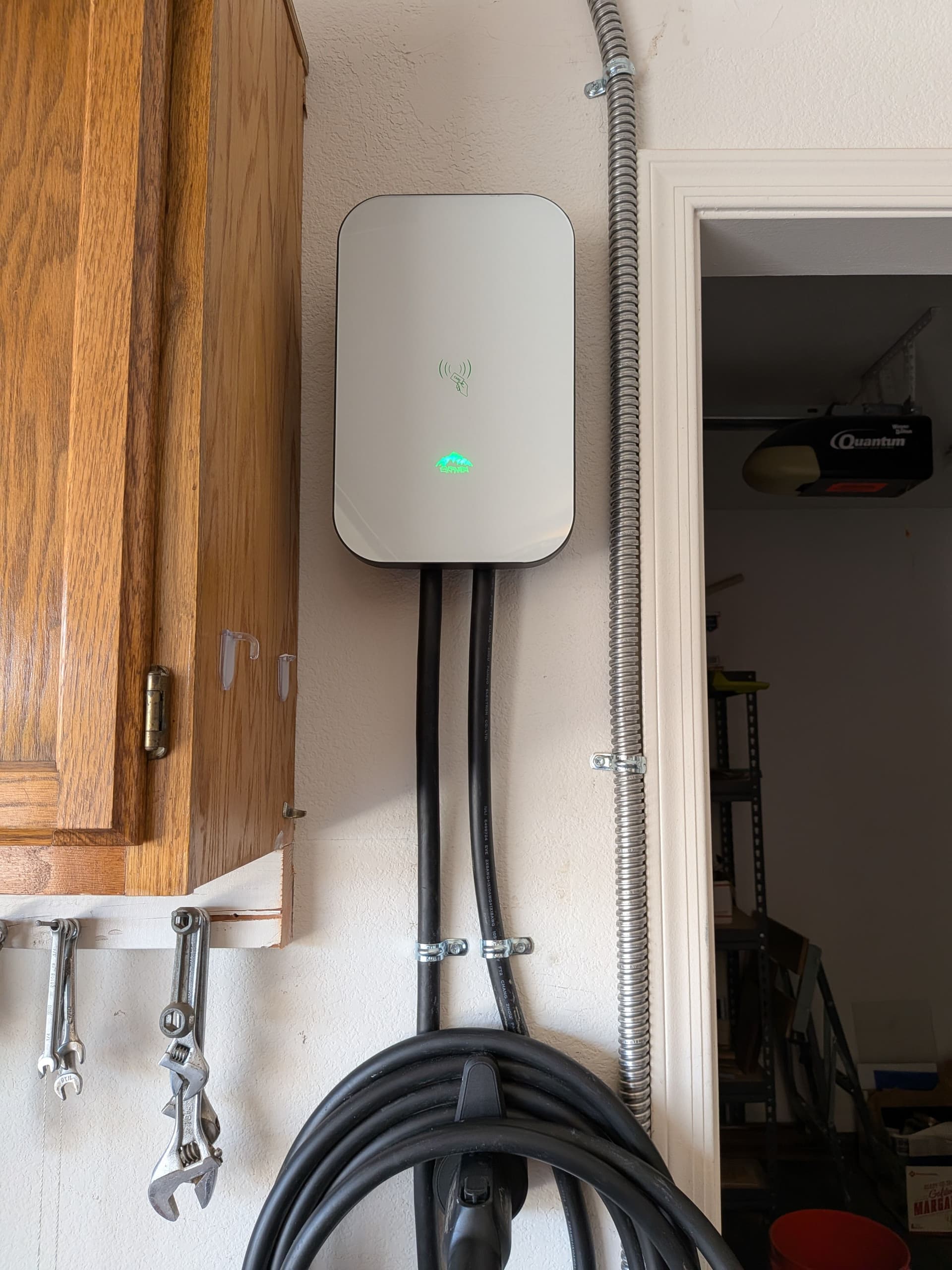
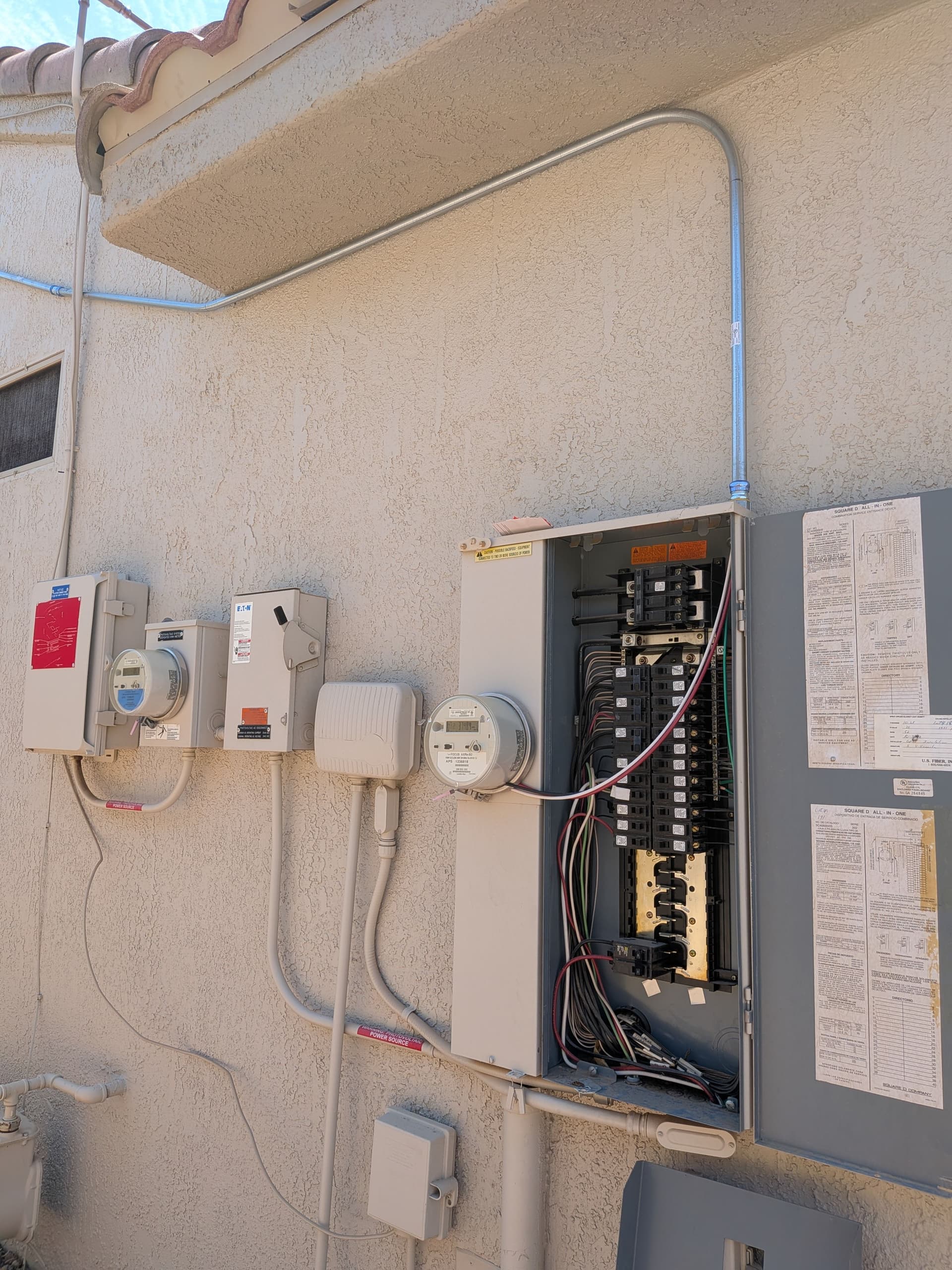
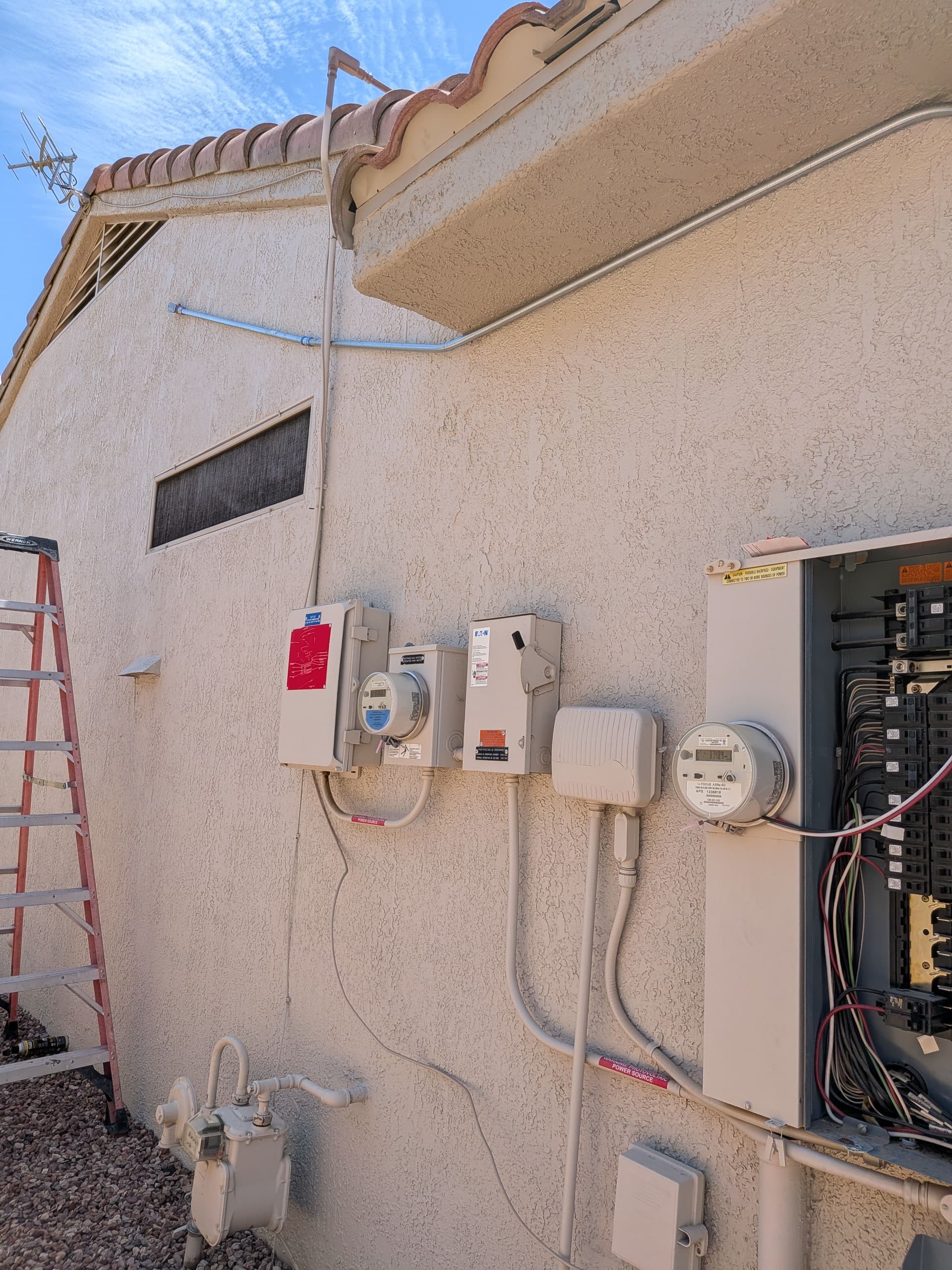
Here's what this job looked like. We pulled a dedicated 50A circuit from the panel, ran the wiring cleanly through the attic to keep things tidy in the garage, and landed it at a GFCI-protected 240V NEMA 14-50 receptacle. That receptacle is the same outlet type used by most portable Level 2 chargers, so the homeowner has flexibility down the road if they ever want to swap out equipment.
The charger itself is wall-mounted and lit up green - fully online and ready to go. The conduit work is neat and secured properly to the wall. Nothing sloppy, nothing improvised. This is what a properly done EV charger install looks like.
On the panel side, we also confirmed the existing service could handle the added load. That's a step a lot of people skip. If your panel is already maxed out, throwing a 50A breaker in there isn't the right move - and we're not going to do it just to get the job done fast. We check, we plan, and we do it right the first time.
Home charging is one of the best upgrades an EV owner can make. No more hunting for public charging stations, no more waiting. You park, you plug in, and your car is full by morning. Getting there just requires someone who knows what they're doing on the electrical side - and that's exactly what we're here for.