Clean Network Install with Cat6 Ethernet and Full Security Camera Setup
Most homes and businesses are running on a network that was never really planned out - just pieces added over time until things sort of work. The problem with that approach is that you end up with dead zones, slow speeds, dropped connections, and a security camera system that goes offline when you need it most. Getting it wired right from the start changes everything.
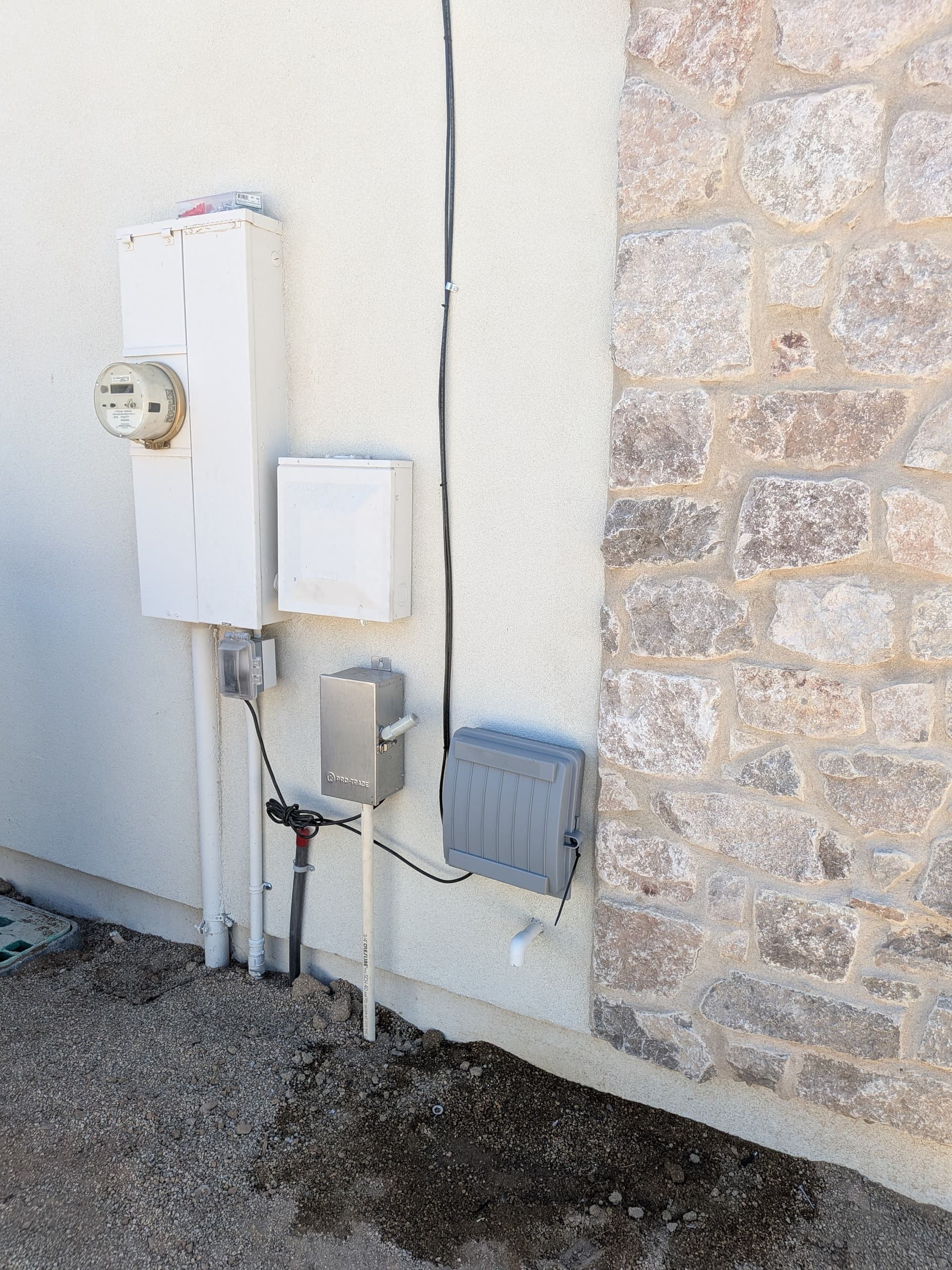
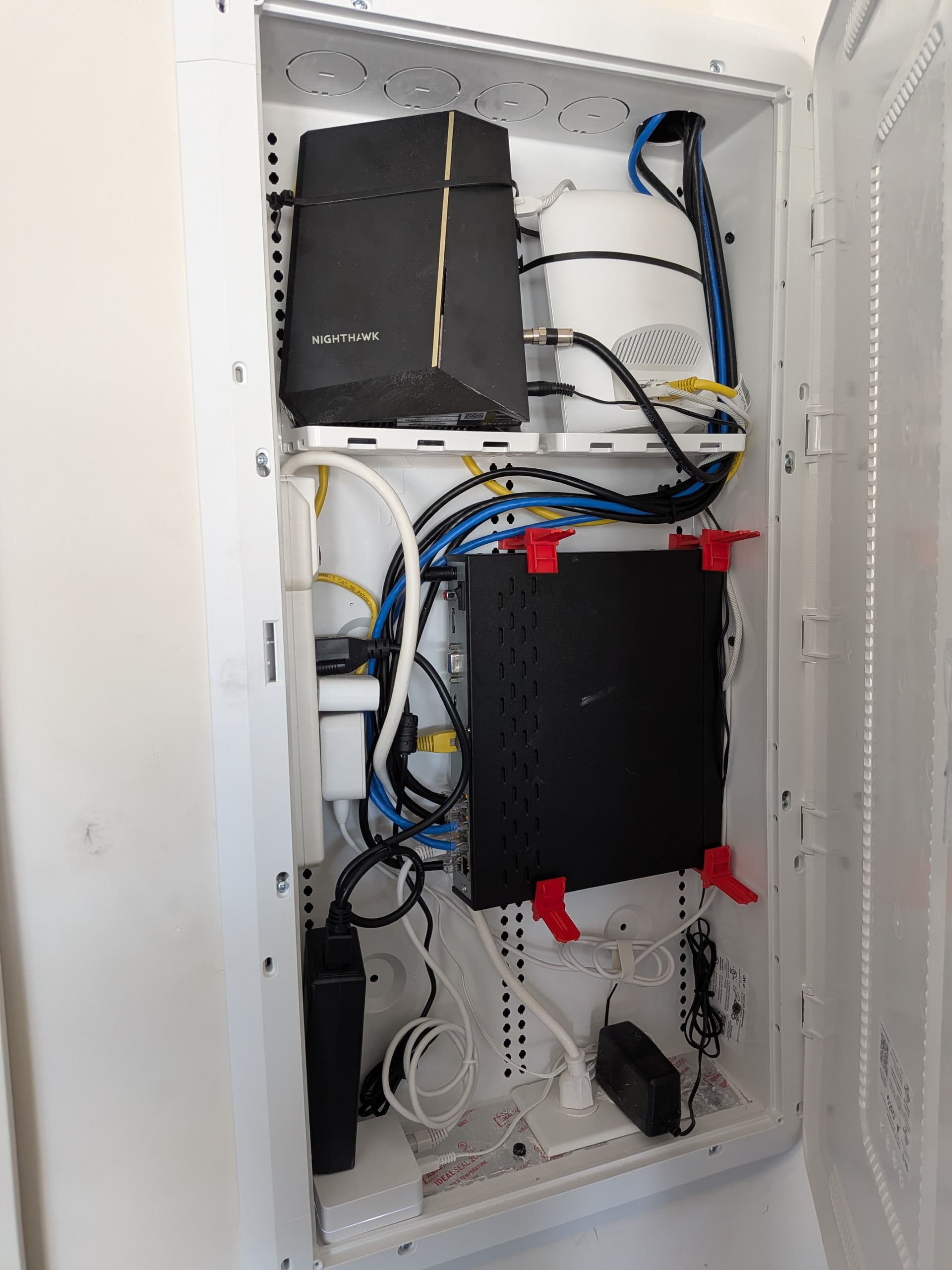
We just wrapped up a full network install that covered all the bases. New Ethernet line coming in, Cat6 runs pulled for the security cameras, and a clean setup for the NVR, modem, router, and POE switch - all organized inside a structured wiring enclosure mounted to the exterior wall. Everything has a home. Everything is labeled and secured. No zip ties holding things together with a prayer.
Cat6 is the standard we use for this type of work because it handles the bandwidth that modern security cameras and high-speed internet actually demand. When you've got multiple cameras running simultaneously alongside everyday network traffic, you need cabling that won't bottleneck the whole system. POE - Power over Ethernet - also means the cameras pull power directly through the network cable, which keeps the install clean and eliminates the need for extra power adapters at every camera location.
The NVR ties everything together on the security side. It records footage locally, keeps it off the cloud if that's what you want, and gives you reliable access to your cameras without depending on a third-party subscription. Pair that with a solid router like the Nighthawk in this build and you've got a network that's fast, stable, and ready to handle whatever you throw at it.
This is the kind of setup that just works - day in, day out - without the headaches that come from a half-wired network. Whether it's a home or a business, having your infrastructure done properly means better speed, better security footage, and a whole lot more peace of mind.